
Loading...
Serving Newton, MA and surrounding areas. (617) 634-8563
Serving Newton, MA and surrounding areas. (617) 634-8563
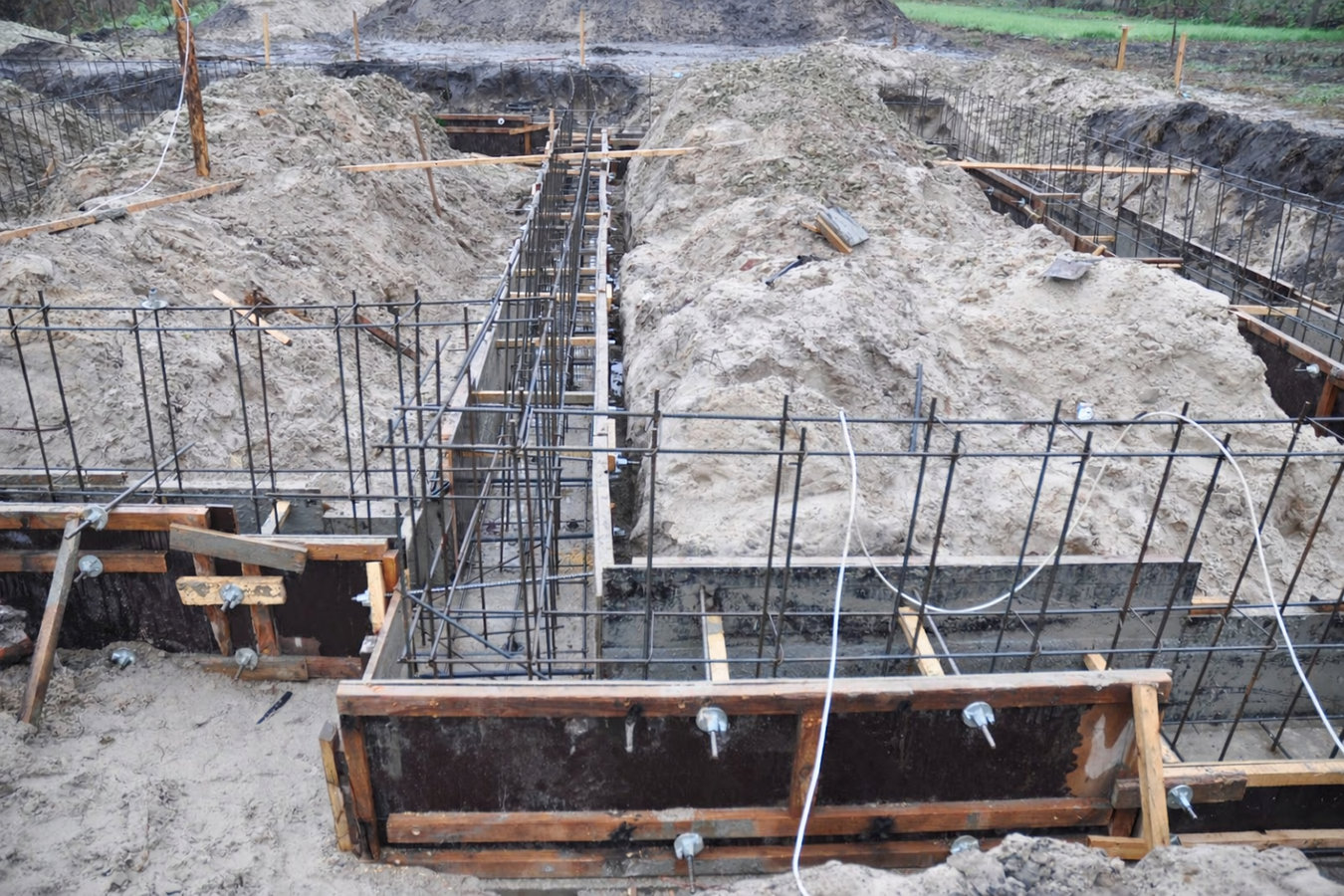
Planning a deck, addition, or porch? Properly dug and poured footings are what keep the structure level through decades of New England freeze-thaw cycles.
Concrete footings in Newton, MA are dug to at least 48 inches below grade to clear the frost line, set with steel rebar reinforcement, inspected by the city before the pour, and filled with ready-mix concrete, with most residential footing projects completing the excavation and pour in one to two days and reaching build-ready strength within a week.
If you are planning a new deck, an addition, a porch, or any structural change that adds weight to your home, footings are not optional. Newton's building department requires them and inspects them before the concrete goes in. A structure built without proper footings will shift, crack, or lean as Newton's clay-rich soils move with the seasons.
For projects that go beyond individual footings to a full structural base, foundation installation and slab foundation building are both available as related services under the same project.
If your deck has developed a visible tilt, or water pools in one corner after rain, the posts may be moving because the footings beneath them have shifted or were never dug deep enough. In Newton, this often happens with older decks whose footings predate current depth requirements. A leaning deck is a safety concern, not just a cosmetic one.
Diagonal stair-step cracks running through brick or block, or horizontal cracks in a poured foundation wall, can signal that a footing below is settling unevenly. Newton's clay soils are prone to seasonal movement, and older homes sometimes have footings undersized for the loads they currently carry. A pattern of new or widening cracks is worth a professional evaluation.
When a footing shifts, the structure above it shifts with it. One of the first signs homeowners notice is that doors or windows that used to open smoothly now stick, bind, or show gaps at the corners. In Newton's older neighborhoods, this can point to a footing under a porch, bay window, or addition that has moved over the years.
Any time you add significant weight to your home — a new room, a larger deck, a garage — new footings are almost certainly required. Newton's building department will require them as part of the permit process. If a contractor quotes you an addition without specifically addressing how the new structure will be supported below grade, ask the question directly before you sign.
Vetra Newton Concrete pours footings for decks, porches, additions, and structural repairs throughout Newton. Every job starts with a free on-site estimate that includes a site walk to assess soil conditions, access, and any visible signs of what might be underground. We handle the permit application through Newton's Inspectional Services Department, schedule the pre-pour city inspection, and do not pour a single yard of concrete until the inspector has signed off on the depth and placement.
Footing depth in Newton must reach the 48-inch frost line — that is four feet of digging before the footing pad begins. We reinforce every footing with steel rebar set inside the forms before the pour, and we use ready-mix concrete with a mix design appropriate for Newton's cold-weather conditions. For projects where crews encounter unexpected buried material — old brick, ledge rock, or buried rubble from earlier structures — we notify you before changing scope or cost.
For projects that grow beyond footings into full structural bases, our foundation installation service handles continuous wall footings and complete foundation pours. For garages and additions on flat sites where a traditional basement is not needed, we also offer slab foundation building as an alternative structural solution.
Isolated pier footings for residential decks and covered porches, dug to the 48-inch frost line.
Continuous or isolated footings for new home additions, sized for the structural loads they will carry.
Footings for detached garages, sheds, and accessory structures requiring a permanent concrete base.
Replacement or supplemental footings for older Newton homes where original footings have settled or failed.
Massachusetts sets the frost line at 48 inches, meaning footings must be dug four feet deep before the actual footing pad begins. That is deeper than most warmer-climate states require, and it directly affects how long the job takes and what it costs. Newton's clay-heavy soils, deposited by glaciers, expand when they absorb water and contract when they dry out. That seasonal movement is part of why the depth requirement exists and why footing size and placement matter so much here.
Newton's older housing stock adds a second challenge. Many homes in villages like Newtonville and Chestnut Hill were built between the 1880s and 1950s and have had porches, garages, and additions added over the decades. When crews dig near older structures, they sometimes encounter buried rubble, old utility lines, or remnants of demolished sections. A contractor who walks your site before quoting is far more likely to give you an accurate number.
Newton's Inspectional Services Department actively enforces building permits for footing work, and the required pre-pour inspection is not a formality. Homeowners in nearby Waltham face the same requirements and the same clay-soil conditions. We serve both communities and handle the permit and inspection process from start to finish.
Reach out by phone or through our contact form. We respond within 1 business day. A site visit is required before any price is given — we need to see the area, assess soil conditions, and check for any underground complications before quoting accurately.
We visit your property, walk the site, and give you a written estimate covering excavation, forming, rebar, the concrete pour, and permit fees. We flag any visible site conditions that could affect cost before you decide to move forward.
Once you approve the estimate, we apply for the required Newton building permit and schedule the pre-pour city inspection. This step takes one to two weeks on average. The inspector confirms footing depth and placement before any concrete is poured.
Excavation and forming typically take one day. The city inspector visits before the pour. After passing inspection, the concrete goes in and framing can usually begin after about a week. We walk you through the curing timeline before we leave the site.
We respond within 1 business day. This estimate is completely free and there is no obligation to move forward. After you submit, someone from our office will call to schedule a free on-site visit and walk you through exactly what your project involves.
(617) 634-8563We schedule and pass Newton's required pre-pour inspection on every footing job. The inspector confirms depth and placement before concrete goes in. This is your independent confirmation that the work was done right, not just our word for it.
We are based at 275 Grove St in Newton and work in the city's villages every week. We know Newton's clay soils, its older housing stock, and the kinds of underground surprises common in neighborhoods like Auburndale and Waban. That local experience matters when you are digging four feet down.
We carry a Massachusetts Home Improvement Contractor registration, verifiable at the state's consumer affairs office, and full general liability insurance on every project. Footing work is structural and permanent — you deserve a contractor who is properly covered before they start digging.
Our written quotes break out excavation, forming, rebar, concrete, and permit fees separately. If crews hit something unexpected underground, we call you before the scope changes. The number you approved is the number on your invoice.
The Massachusetts State Building Code sets the 48-inch frost-line requirement for a reason: footings built above it fail in this climate. Every footing we pour in Newton meets that depth requirement, is reinforced with rebar, and passes city inspection before it is buried. That combination is what makes a footing worth the investment.
Complete foundation work for additions, new structures, and homes replacing failed or inadequate bases.
Learn moreMonolithic slab construction for garages, additions, and accessory structures where a traditional basement is not needed.
Learn moreSpring slots fill fast once the ground thaws — reach out now to lock in your project date before the busy season fills the calendar.